7 Winter Car Prep Tips to Drive Safely
Winter car prep means checking the battery, tires, fluids, brakes, lights, wipers, and emergency supplies before freezing weather arrives. These steps help your vehicle start reliably, maintain traction, clear visibility, and handle icy Dayton and Moraine roads more safely. Schedule repairs early if an inspection reveals a problem.
Why does winter car prep matter in Ohio?
Cold weather affects nearly every part of a vehicle. Low temperatures can reduce battery power, lower tire pressure, thicken fluids, and make rubber components less flexible. Snow, ice, road salt, and shorter daylight hours add more stress to your car—and more risk for drivers.
A little preparation can help you avoid a dead battery in a parking lot, poor traction on an icy intersection, or a visibility problem during a snowstorm. It can also reveal worn components before they become an expensive breakdown.
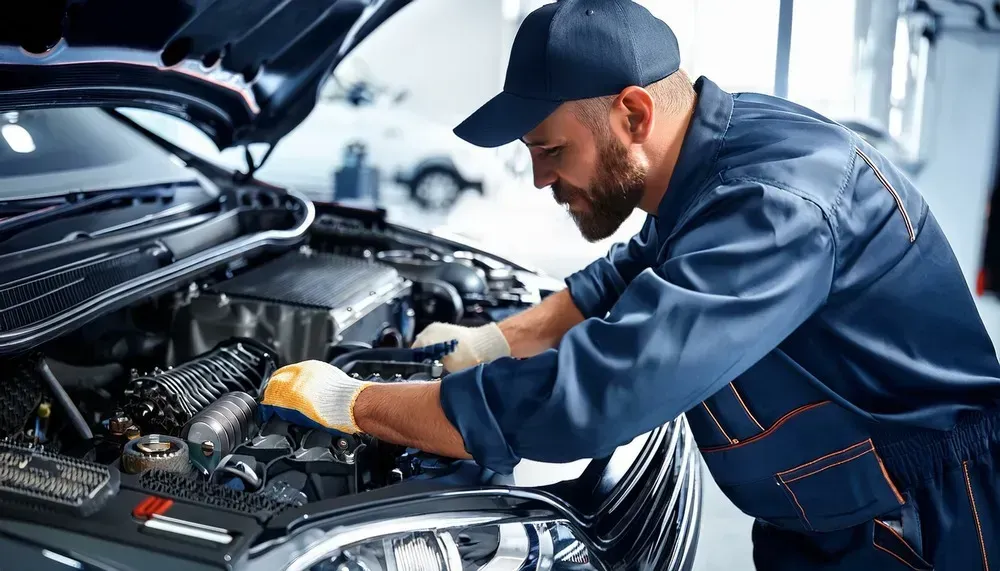
For help with a complete inspection, visit the services page or contact the team at a Dayton-area Dixon’s Automotive location .
1. Check your battery before the first freeze
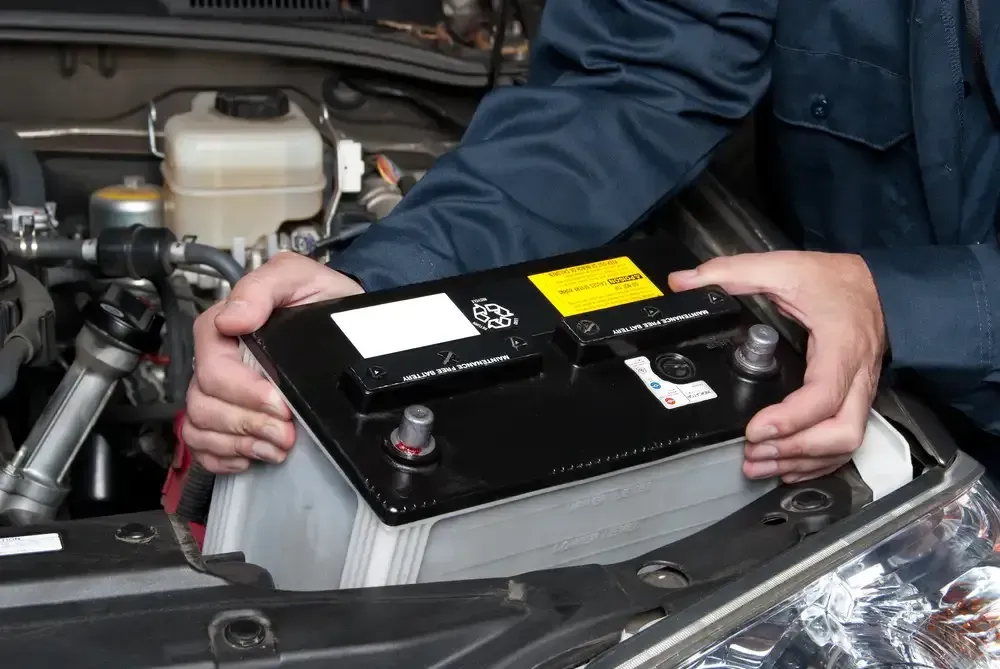
A battery that works normally in mild weather may struggle when temperatures drop. Cold reduces available battery power, while starting the engine requires more energy.
Ask a technician to test the battery’s health, charging system, and connections. Look for:
- Slow engine cranking or a clicking sound when starting
- Corrosion around the terminals
- A battery that is more than three years old
- Flickering lights or electrical accessories that work inconsistently
Do not wait for a no-start situation to test a weak battery. If the battery is nearing the end of its service life, replacing it before a major cold snap is usually the simpler choice.
2. Are your tires ready for snow and ice?
Tires are your vehicle’s only contact with the road, so they are central to winter driving safety. Check tread depth, air pressure, wear patterns, and the condition of the sidewalls.
Use the pressure listed on the driver’s doorjamb label—not the number molded into the tire sidewall. Tire pressure typically falls as temperatures decrease, so check it regularly during winter.
Also inspect for:
- Uneven tread wear that may indicate alignment or suspension issues
- Cracks, bulges, or punctures
- Tread that is too shallow for wet or snowy roads
- Tires with different sizes or significantly different wear levels
All-wheel drive can help a vehicle accelerate, but it does not eliminate the need for good tires or shorten braking distance. If you are unsure which tires fit your vehicle, review the vehicles we service or ask a professional.
3. Replace worn wipers and fill winter washer fluid
Snow, salt spray, and road grime can quickly cover a windshield. Worn wiper blades may smear the glass instead of clearing it, creating dangerous glare from headlights and streetlights.
Replace blades that streak, skip, squeak, or leave uncleared sections. Fill the washer reservoir with a winter-rated fluid designed to resist freezing. Never use plain water when temperatures may fall below freezing; it can freeze in the reservoir, lines, or nozzles.
Before driving, clear snow and ice from the entire vehicle. Remove buildup from the roof, hood, mirrors, lights, windows, and license plate. A small brush and plastic scraper belong in every winter vehicle.
4. What fluids should you check before winter?
Correct fluid levels and condition support reliable operation in cold weather. Check the following according to your owner’s manual:
- Engine oil: Use the manufacturer-recommended viscosity and change interval.
- Coolant: Confirm the level and freeze protection; never open a hot cooling system.
- Brake fluid: Look for low levels or signs of a leak.
- Transmission fluid: Follow the vehicle’s inspection procedure.
- Windshield washer fluid: Use a cold-weather formula.
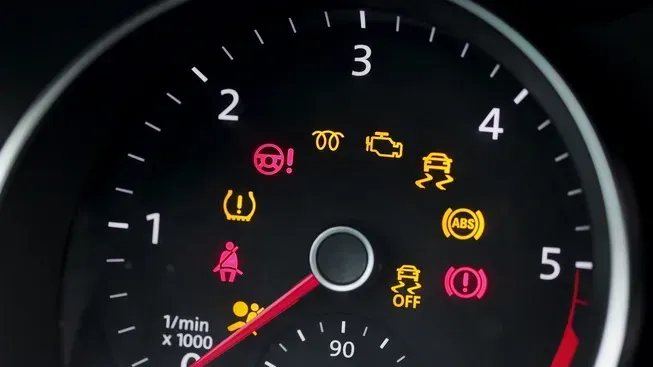
Coolant is especially important. A low level, incorrect mixture, or leak can lead to poor cabin heat, overheating, or freeze damage. If the temperature gauge rises, warning light appears, or the heater suddenly blows cold air, stop safely and request service.
5. Inspect brakes, lights, and visibility equipment
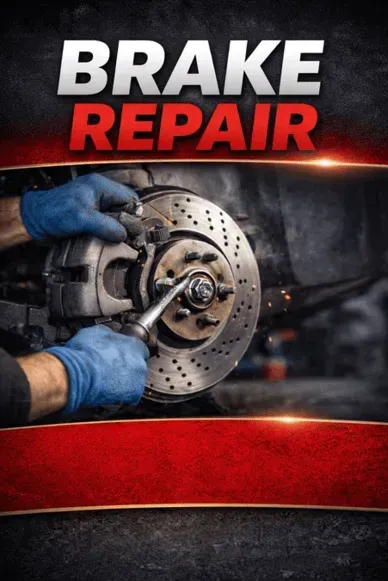
Winter roads require smooth, predictable braking. Have the brake pads, rotors, calipers, hoses, and parking brake checked if you hear grinding, feel vibration, or notice that the pedal feels soft.
Confirm that all exterior lights work, including headlights, brake lights, turn signals, hazard lights, and reverse lights. Clean lenses can make a meaningful difference during snow, rain, and early sunsets.
Replace damaged bulbs promptly. If your headlights appear cloudy or point unevenly, an inspection can improve nighttime visibility without simply installing brighter bulbs.
Build a winter emergency kit
Even a well-maintained car can encounter traffic, a flat tire, or an unexpected delay. Keep an emergency kit in the passenger compartment where it is easy to reach.
Recommended supplies include:
- Ice scraper and snow brush
- Blanket, warm clothing, gloves, and sturdy footwear
- Flashlight with extra batteries
- Phone charger or power bank
- Bottled water and shelf-stable snacks
- Jumper cables or a tested jump starter
- Tire inflator, basic tools, and a first-aid kit
- Reflective warning devices
Keep your fuel level above empty, especially before traveling outside the Dayton area. Do not let the tank become the only source of warmth if you are stranded; run the engine briefly only when the exhaust is clear of snow and ventilation is possible.
How should you drive after winter car prep?
Preparation supports safe driving, but it cannot remove every winter hazard. Adjust your habits for conditions:
- Slow down before curves, hills, intersections, and bridges.
- Increase following distance because stopping takes longer on snow and ice.
- Accelerate, steer, and brake smoothly to preserve traction.
- Avoid cruise control on slippery roads.
- Watch for black ice, especially early in the morning and after sunset.
- Give snowplows plenty of room and avoid passing them when possible.
If your vehicle begins to slide, look and steer where you want to go, release the accelerator, and avoid sudden braking. Follow your vehicle’s manual for traction-control and antilock-brake guidance.
When should you schedule a winter inspection?
The best time is before the first major freeze or snowstorm, but it is never too late to address a safety concern. Schedule an inspection if you notice hard starting, tire-pressure warnings, weak heat, unusual braking, dim lights, or fluid leaks.
A digital inspection can make findings easier to understand. Ask about digital inspections if you want a clear view of recommended repairs and their urgency. You can also watch practical maintenance guidance through the shop’s service videos .
Winter car prep checklist
Before the season becomes severe, confirm that your vehicle has:
- A tested battery and clean terminals
- Properly inflated tires with safe tread
- Working wipers, lights, brakes, and defroster
- Correct coolant and winter washer fluid
- An accessible emergency kit
Final takeaway
Winter car prep is a practical safety check, not just a seasonal chore. Test the battery, inspect tires and brakes, confirm fluid protection, replace worn wipers, clean every light, and carry emergency supplies before the roads become hazardous. These steps are especially useful for drivers in Dayton and Moraine, where freezing temperatures, snow, salt, and changing road conditions can arrive quickly. Start with the checklist above, then schedule a professional inspection for anything uncertain. Taking care of small issues now can help your vehicle start, stop, and handle winter travel with greater confidence.