Is Your Car Battery Ready for Fall? What Dayton and Moraine Drivers Should Know After Summer
Your car battery may have made it through another hot Ohio summer, but that doesn’t necessarily mean it is still in great shape.
Summer heat can be hard on automotive batteries. High temperatures can accelerate internal wear, contribute to corrosion, and reduce the battery’s ability to hold a strong charge. The tricky part is that this damage may not cause an immediate problem.
Your vehicle might start normally throughout the summer, only to begin cranking slowly or refusing to start once cooler fall weather arrives.
At Dixon’s Automotive, we recommend making a battery check part of your post-summer vehicle maintenance, especially if your battery is several years old or you’ve noticed changes in the way your vehicle starts.
Why Summer Heat Can Be Hard on Your Car Battery
Most drivers associate dead batteries with freezing winter mornings, but much of the damage can happen during the summer.
Your battery depends on chemical reactions to store and deliver electrical energy. Higher temperatures speed up those reactions, but they can also accelerate deterioration inside the battery.
Over time, excessive heat may contribute to:
- Internal corrosion
- Fluid loss
- Reduced battery capacity
- Corrosion around the terminals
- Shortened battery life
A battery can continue working while gradually becoming weaker, which is why battery trouble can seem to appear suddenly once summer is over.
Why Battery Problems Often Show Up in Fall
A weakened battery may still have enough power to start your vehicle on a warm summer afternoon. Once temperatures start dropping and the battery has less available capacity, however, problems can become much more noticeable.
You may notice the engine turning over more slowly, lights dimming during startup, or the vehicle taking longer than usual to start.
Instead of waiting until the battery fails completely, having it tested after summer can help identify problems early.
Dixon’s Automotive offers professional battery service for drivers throughout the Dayton and Moraine area.
Signs Your Car Battery May Be Getting Weak
Watch for changes in how your vehicle starts or how its electrical systems behave.
- Slow engine cranking
- Difficulty starting the vehicle
- Dim headlights during startup
- Flickering dashboard or interior lights
- Electrical accessories behaving inconsistently
- Corrosion around the battery terminals
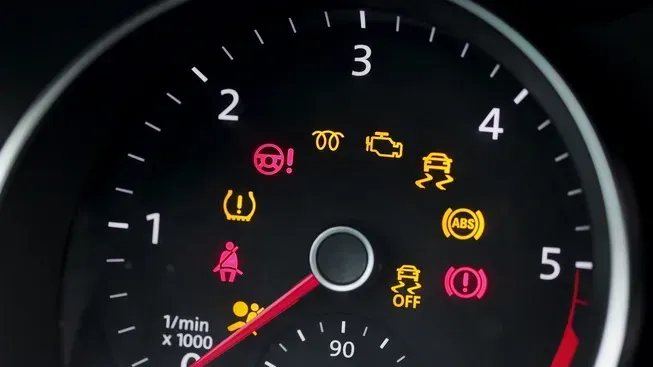
- A battery or charging-system warning light
- Recently needing a jump-start
- A battery that is several years old
If you notice one or more of these symptoms, it is a good idea to have the battery and charging system checked.
A Dead Battery Isn’t Always Just a Battery Problem
If your vehicle won’t start, replacing the battery isn’t always the answer.
Your battery works as part of a larger starting and charging system. The alternator, wiring, terminals, and other electrical components all play a role.
Dixon’s Automotive provides auto electrical service to help determine what is actually causing the problem.
If the alternator is not properly charging the battery, alternator repair or alternator replacement may be needed.
Proper testing can help pinpoint the problem instead of replacing parts unnecessarily.
Don’t Ignore Corrosion Around Your Battery
Take a look at your battery terminals occasionally.
If you see white, blue, or green powdery buildup around the terminals, you may be looking at corrosion. That corrosion can interfere with the electrical connection between the battery and the rest of the vehicle.
Poor connections may contribute to:
- Hard starting
- Intermittent electrical problems
- Reduced charging performance
- Premature battery failure
If you notice significant corrosion, have the battery and connections inspected.
How Long Does a Car Battery Last?
There is no exact lifespan that applies to every vehicle.
Battery life can vary based on:
- Battery type and quality
- Driving habits
- Temperature extremes
- Electrical demands from the vehicle
- How frequently the vehicle is driven
- Condition of the charging system
As a battery gets older, periodic testing becomes increasingly important.
If testing shows that the battery is nearing the end of its useful life, scheduling a battery replacement before complete failure can help you avoid an inconvenient no-start.
Your Alternator and Battery Work Together
Your battery provides the initial electrical power needed to start the engine. Once the engine is running, the alternator helps replenish the battery and supplies electricity to many of your vehicle’s systems.
If the alternator is not charging correctly, even a relatively new battery can eventually become discharged.
Signs of an alternator or charging-system problem may include:
- A battery that repeatedly dies
- Dim or flickering lights
- Unusual electrical behavior
- A battery or charging warning light
- Difficulty starting even after installing a new battery
If you have replaced the battery but the problem keeps coming back, the charging system should be evaluated.
Add a Battery Check to Your Fall Maintenance
Fall is a good opportunity to give your vehicle some attention before colder weather arrives.
Along with your battery, consider having the following items checked:
- Tires and tire pressure
- Brakes
- Engine oil
- Coolant
- Belts and hoses
- Windshield wipers
- Exterior lights
- Filters
Keeping up with preventative maintenance and scheduled maintenance can help uncover small problems before they turn into larger repairs.
A professional vehicle inspection can also give you a broader look at your vehicle’s condition heading into fall.
Battery Service in Dayton and Moraine, OH
If you’re not sure how well your battery handled the summer heat, Dixon’s Automotive can help.
Our team can evaluate your battery, starting system, and charging system to determine whether everything is operating properly and identify potential problems before you’re left with a vehicle that won’t start.
Dixon’s Automotive has two convenient locations serving the Dayton area:
Dayton / Miamisburg-Centerville Road Location
2892 Miamisburg Centerville Rd
Dayton, OH 45459
Moraine Location
4998 N Springboro Pike
Moraine, OH 45439
You can also learn more about our Miamisburg-Centerville Road location and Moraine location online.
Don’t wait until you’re reaching for jumper cables. Schedule an appointment with Dixon’s Automotive and make sure your vehicle is ready for the cooler months ahead.
Frequently Asked Questions About Car Battery Health
Can summer heat really damage a car battery?
Yes. High temperatures can accelerate chemical activity and internal deterioration in an automotive battery. Over time, that can reduce the battery’s ability to hold and deliver a charge.
Why does my battery fail after summer?
Summer heat can gradually weaken a battery without causing immediate failure. Once temperatures begin to cool, the battery’s reduced capacity may become more noticeable.
What are the signs of a weak battery?
Slow cranking, difficulty starting, dim lights, electrical issues, terminal corrosion, and needing a jump-start can all indicate that your battery or charging system needs attention.
Can a bad alternator cause my battery to die?
Yes. If the alternator is not properly recharging the battery, the battery may repeatedly lose its charge even if the battery itself is still in usable condition.
Should I replace an older battery if it still works?
Not automatically. A battery test can provide a better idea of its current condition. If it tests weak, replacing it before complete failure may help prevent an unexpected breakdown.
When should I have my car battery checked?
After a hot summer is a good time, especially if the battery is several years old, your vehicle has been starting slowly, or you’ve recently needed a jump-start.